8 Vegetables High in Vitamin C That Support Your Immune System
8 Vegetables High in Vitamin C That Support Your Immune System
Introduction
Vitamin C is widely known for supporting immune health, but many people immediately think of oranges and lemons when trying to increase their intake. While fruits are excellent sources, several vegetables contain impressive amounts of vitamin C and offer additional nutrients such as fiber, antioxidants, and minerals. Including these vegetables in daily meals can help strengthen the immune system, support skin health, and improve overall wellness. Here are eight vegetables rich in vitamin C that deserve a place on your plate.
Vitamin C also supports collagen production, wound healing, and protection against oxidative stress. Choosing several vegetables instead of relying on one source improves nutrient variety and encourages healthier eating habits. Adding colorful vegetables to everyday meals creates practical and sustainable nutrition habits.
1. Bell Peppers
Bell peppers are among the richest vegetable sources of vitamin C. Red bell peppers contain especially high amounts and also provide vitamin A, which supports eye health. They add color, crunch, and mild sweetness to salads, stir-fries, and roasted dishes.
2. Broccoli
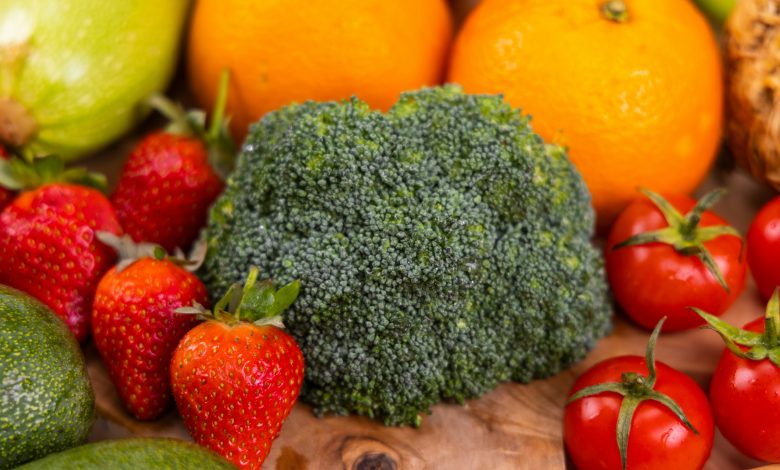
Broccoli is a nutritional powerhouse packed with vitamin C, fiber, and plant compounds that support healthy cells. Lightly steaming broccoli helps preserve nutrients while keeping its texture and flavor appealing. It works well as a side dish or in soups and pasta meals.
3. Brussels Sprouts
Brussels sprouts may not be everyone’s favorite, but they are loaded with vitamin C and antioxidants. Roasting them with herbs and olive oil can improve taste and texture. These small vegetables also provide fiber that supports digestive health.
4. Kale
Kale has earned a reputation as a superfood for good reason. Along with vitamin C, it contains vitamin K and beneficial antioxidants. Kale can be added to smoothies, salads, or sautéed dishes for a nutrient boost without much effort.
5. Cauliflower
Cauliflower is a versatile vegetable rich in vitamin C and other essential nutrients. Its mild flavor makes it easy to include in different recipes. From roasted florets to cauliflower rice and soups, this vegetable supports both immunity and healthy eating goals.
6. Spinach
Spinach provides vitamin C along with iron and folate. Although cooking slightly reduces vitamin C content, spinach still remains a valuable choice. Fresh spinach works well in salads and sandwiches, while cooked spinach blends easily into curries and pasta sauces.
7. Cabbage
Cabbage is affordable, widely available, and surprisingly high in vitamin C. Both green and red varieties offer health benefits, though red cabbage generally contains more antioxidants. It can be enjoyed raw in slaws or cooked in comforting meals.
8. Tomatoes
Tomatoes are often treated as vegetables in cooking and provide a useful amount of vitamin C. They also contain lycopene, an antioxidant linked to overall health benefits. Fresh tomatoes, sauces, and soups make simple ways to include them regularly.
Conclusion
Building a strong immune system involves more than taking supplements. A balanced diet filled with vitamin C-rich vegetables offers natural support and long-term health benefits. Bell peppers, broccoli, Brussels sprouts, kale, cauliflower, spinach, cabbage, and tomatoes bring flavor and nutrition to everyday meals. By adding these vegetables to your routine, you can support immune health while enjoying a more colorful and nourishing diet.