From Joint Pain to Heart Health: 10 Conditions Turmeric May Help Support
From Joint Pain to Heart Health: 10 Conditions Turmeric May Help Support
Introduction to Turmeric and Its Benefits
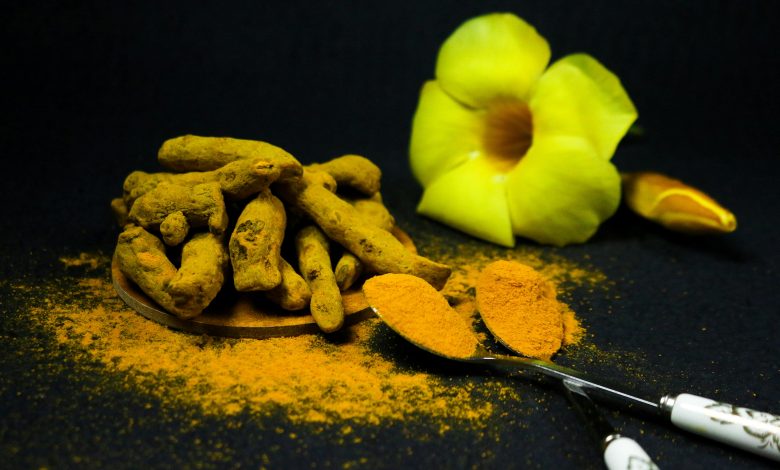
Turmeric has been used for centuries in traditional medicine and cooking, particularly in Asian cultures. Known for its bright yellow color and earthy flavor, turmeric contains an active compound called curcumin, which is believed to offer anti-inflammatory and antioxidant properties. While turmeric is not a cure for diseases, growing research suggests it may support overall wellness and help manage certain health conditions when combined with a balanced lifestyle.
Here are ten conditions where turmeric may offer supportive health benefits.
1. Joint Pain and Arthritis
Turmeric is widely recognized for its potential role in easing joint discomfort. Curcumin may help reduce inflammation associated with arthritis, which can contribute to pain and stiffness. Many people use turmeric as part of a broader approach to maintaining joint mobility and comfort.
2. Heart Health
Heart disease remains a major health concern worldwide. Turmeric may support cardiovascular health by helping manage inflammation and oxidative stress, both of which can affect blood vessels and heart function. Some studies suggest curcumin may support healthy circulation and cholesterol balance.
3. Digestive Issues
Digestive discomfort such as bloating and indigestion can interfere with daily life. Turmeric has traditionally been used to support digestion by stimulating bile production and helping maintain digestive balance. Its anti-inflammatory properties may also benefit gut health.
4. Inflammatory Conditions
Chronic inflammation has been linked to several health problems. Curcumin’s anti-inflammatory properties may help support the body’s natural response to inflammation, potentially benefiting people managing long-term inflammatory conditions.
5. Immune System Support
A strong immune system helps the body defend itself against infections and illnesses. Turmeric contains compounds that may support immune function by helping regulate inflammatory responses and providing antioxidant protection.
6. Skin Health
Turmeric has become a popular ingredient in skincare products. Its antioxidant and anti-inflammatory qualities may help support healthy skin and reduce the appearance of irritation. Some people also use turmeric in homemade skincare routines.
7. Brain Health and Memory
Researchers continue to study turmeric’s effects on cognitive function. Curcumin may support brain health by reducing oxidative stress and inflammation, which are believed to play roles in memory decline and aging-related cognitive changes.
8. Blood Sugar Management
Maintaining stable blood sugar levels is important for overall health. Some research suggests turmeric may help support healthy glucose metabolism. However, it should never replace medical treatment or dietary guidance for diabetes management.
9. Respiratory Health
Turmeric has traditionally been used in home remedies for respiratory discomfort. Its soothing and anti-inflammatory properties may help support respiratory wellness and comfort during seasonal challenges.
10. Mood and Emotional Well-Being
Mental health is closely connected to physical wellness. Early research suggests curcumin may influence certain brain chemicals linked to mood regulation. While findings are still developing, turmeric may offer supportive benefits as part of a healthy lifestyle.
Conclusion
Turmeric continues to attract attention for its potential health-supporting properties, ranging from joint comfort to heart and brain wellness. While promising research exists, turmeric should be viewed as a supportive ingredient rather than a standalone treatment. Including turmeric in a balanced diet, along with proper medical care and healthy habits, may contribute to overall well-being and long-term health support.