Waffles vs. Pancakes: Which Breakfast Is Better for Energy and Nutrients?
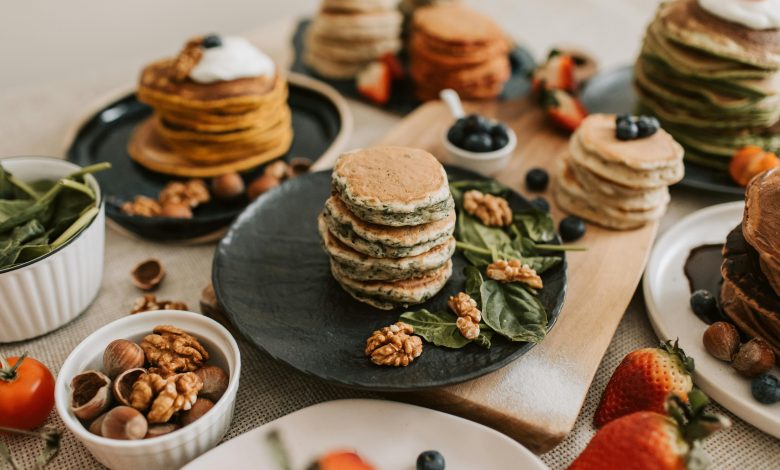
Waffles vs. Pancakes: Which Breakfast Is Better for Energy and Nutrients?
A Breakfast Battle Worth Discussing
Breakfast lovers often find themselves divided between waffles and pancakes. Both are comforting, versatile, and popular across the world. Whether topped with syrup, fruit, or yogurt, these breakfast classics satisfy cravings and provide a quick morning meal. But when it comes to energy and nutrients, is one actually better than the other?
The answer depends on ingredients, preparation methods, and personal dietary goals. While waffles and pancakes share similarities, their nutritional profiles and effects on energy can differ more than many people realize.
Understanding the Basic Ingredients
Traditional waffles and pancakes are made from similar ingredients, including flour, eggs, milk, baking powder, sugar, and butter or oil. Because of these shared components, their calorie and carbohydrate content often fall within a similar range.
The main difference lies in texture and cooking style. Pancakes are cooked on a flat griddle, creating a soft and fluffy texture. Waffles are cooked in a waffle iron, producing crispy edges and deep pockets that hold toppings.
Waffle batter usually contains more fat or sugar than pancake batter to create its signature crispness. This difference may slightly increase calorie content depending on the recipe.
Energy Levels and Satiety
When considering breakfast for sustained energy, carbohydrates play an important role. Both waffles and pancakes provide carbohydrates that fuel the body and brain, making them useful for starting the day.
However, energy is not only about quick fuel. Long-lasting energy depends on how balanced the meal is. Plain waffles or pancakes topped with syrup alone can cause blood sugar spikes followed by energy crashes. This may leave people feeling hungry again sooner.
Pancakes may have a small advantage in some recipes because they often contain less fat than waffles. Lower fat content can make pancakes lighter and easier to digest. On the other hand, waffles may feel more filling due to their denser texture and richer ingredients.
The real key is pairing either option with protein and fiber. Eggs, Greek yogurt, nut butter, or fresh fruit can improve satiety and support steady energy throughout the morning.
Comparing Nutritional Value
Nutrient quality depends heavily on recipe choices. Traditional white-flour versions of both breakfasts are usually low in fiber and moderate in protein. They offer energy but limited nutritional depth on their own.
Whole grain pancakes or waffles can improve fiber intake and help support digestion. Adding ingredients like oats, bananas, flaxseed, or protein powder can further increase nutritional value.
Waffles sometimes contain slightly more fat and sugar, especially restaurant-style versions loaded with toppings. Pancakes may be easier to prepare in healthier forms because the batter is generally simpler and more adaptable.
Still, neither breakfast should automatically be labeled unhealthy. Portion size and ingredients matter far more than the shape of the meal.
Conclusion
So, which breakfast is better for energy and nutrients: waffles or pancakes? There is no universal winner. Pancakes may offer a lighter option with fewer calories in some recipes, while waffles can provide satisfying texture and fullness. The healthiest choice depends on preparation and toppings. By choosing whole grains, limiting excess sugar, and adding protein-rich ingredients, both waffles and pancakes can become balanced breakfasts that deliver enjoyable flavor and lasting energy.