Daily Stretching Routine
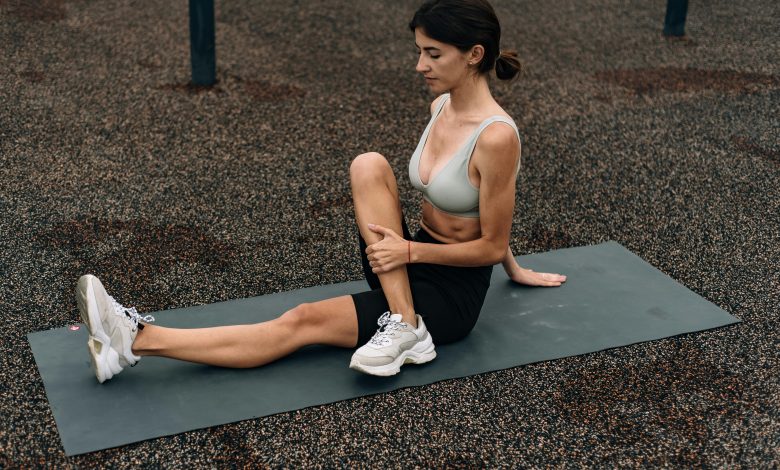
Daily Stretching Routine
A daily stretching routine is one of the simplest ways to improve your overall health. It does not require expensive equipment or a lot of time, yet it can make a noticeable difference in how your body feels and moves. Whether you sit at a desk all day or stay active, stretching helps keep your muscles flexible and your joints mobile.
Why Stretching Matters
Stretching is often overlooked, but it plays a key role in maintaining physical well-being. When muscles become tight, they limit movement and increase the risk of injury. Regular stretching helps lengthen muscles, improve posture, and reduce stiffness.
It also supports better blood circulation. When you stretch, more oxygen flows to your muscles, which can help reduce soreness and improve recovery. Many people also find that stretching reduces stress and helps them relax, especially when done slowly and with focus.
When to Stretch
You can stretch at any time of the day, but certain moments are more effective. Morning stretching helps wake up your body and prepares you for daily activities. It can reduce stiffness that builds up during sleep.
Stretching after exercise is equally important. At this time, your muscles are warm, making it easier to improve flexibility. Evening stretching can also be helpful, especially if you want to release tension after a long day.
The key is consistency. Even five to ten minutes a day can lead to noticeable improvements over time.
Simple Daily Stretching Routine
A basic routine should cover major muscle groups. Start with a neck stretch by gently tilting your head from side to side. Hold each position for about 10 to 15 seconds without forcing the movement.
Move on to shoulder stretches. Roll your shoulders forward and backward, then stretch one arm across your chest and hold it with the other arm. This helps relieve upper body tension.
For the lower body, try a standing hamstring stretch. Bend forward slowly and reach toward your toes while keeping your legs straight but not locked. A calf stretch against a wall can also improve lower leg flexibility.
Finally, include a gentle back stretch such as a seated forward bend or a simple twist. These movements help maintain spinal flexibility and reduce lower back discomfort.
Tips for Safe Stretching
Stretching should never be painful. You should feel a gentle pull, not sharp discomfort. Move slowly and avoid bouncing, as this can strain your muscles.
Breathing is also important. Take slow, steady breaths while holding each stretch. This helps your body relax and allows the stretch to be more effective.
If you are new to stretching or have any injuries, start with light movements and gradually increase intensity. Listening to your body is essential.
Common Mistakes to Avoid
One common mistake is skipping warm-up before deep stretching. Cold muscles are more prone to injury, so it is better to do light activity first, such as walking or gentle movements.
Another mistake is holding stretches for too short a time. Aim to hold each stretch for at least 10 to 30 seconds to get real benefits.
People also tend to rush through routines. Stretching works best when done mindfully and with control.
Conclusion
A daily stretching routine is a small habit that brings lasting benefits. It improves flexibility, reduces tension, and supports overall physical health. By setting aside a few minutes each day and following simple techniques, you can keep your body comfortable and resilient. Over time, these small efforts add up, helping you move better and feel more relaxed in your daily life.