Is Turkey Bacon Actually Better For You Than Regular Bacon?
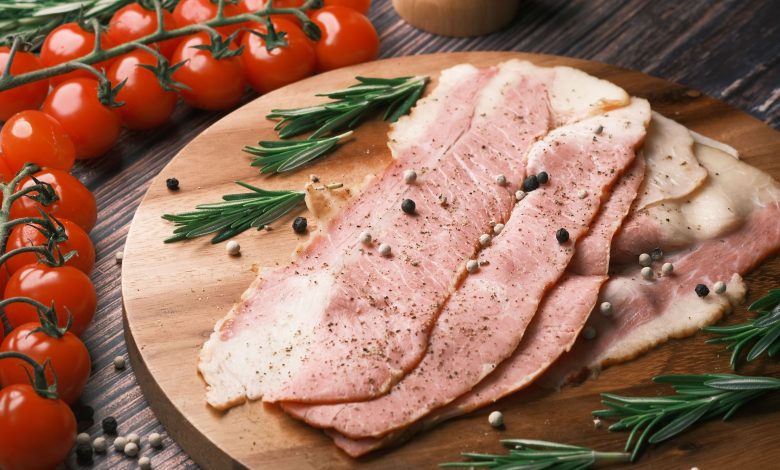
Is Turkey Bacon Actually Better for You Than Regular Bacon?
Understanding the Difference Between Turkey Bacon and Regular Bacon
Bacon is a popular breakfast food enjoyed around the world, but many people are looking for healthier alternatives to traditional pork bacon. Turkey bacon has become a common substitute because it is often marketed as a lower-fat and lower-calorie option. However, the question remains: is turkey bacon actually better for your health than regular bacon?
Both products are processed meats, but they differ in ingredients, nutritional value, and taste. Understanding these differences can help you make a more informed choice.
Calories and Fat Content
One of the main reasons people choose turkey bacon is its lower calorie and fat content. Traditional pork bacon is made from pork belly, which contains a significant amount of fat. Turkey bacon is produced from chopped or ground turkey meat that is seasoned and processed into strips.
A serving of turkey bacon generally contains fewer calories and less total fat than pork bacon. It also tends to contain less saturated fat, which is often linked to higher cholesterol levels and heart disease risk.
For people trying to reduce calorie intake or manage their weight, turkey bacon may provide a slight nutritional advantage.
Protein and Nutritional Value
Both turkey bacon and regular bacon contain protein, which helps support muscle growth and body repair. Pork bacon often contains slightly more protein per serving, while turkey bacon offers a leaner source of meat.
Turkey bacon may also provide certain vitamins and minerals, including selenium, zinc, and B vitamins. However, the nutritional differences are generally small, and neither option should be considered a major source of essential nutrients.
Adding other protein-rich foods such as eggs, yogurt, or beans can help create a more balanced meal.
Sodium and Processing Concerns
Although turkey bacon contains less fat, it is still considered a processed meat. Both turkey bacon and regular bacon often contain high amounts of sodium, preservatives, and additives used for flavor and preservation.
Excess sodium intake may contribute to high blood pressure and other health concerns. Processed meats have also been linked to certain long-term health risks when consumed frequently.
Because of these concerns, health experts generally recommend enjoying both types of bacon in moderation rather than making them daily foods.
Taste and Cooking Differences
Taste is another important factor when choosing between turkey bacon and pork bacon. Traditional bacon has a rich, smoky flavor and a crisp texture because of its higher fat content.
Turkey bacon has a lighter taste and may not become as crispy as pork bacon. Some people enjoy the milder flavor, while others prefer the traditional taste of regular bacon.
Cooking methods also vary slightly, with turkey bacon often requiring less cooking time and producing less grease.
Conclusion
Turkey bacon can be a healthier option for some people because it generally contains fewer calories, less fat, and lower saturated fat than regular bacon. However, it is still a processed meat that can be high in sodium and preservatives. Neither turkey bacon nor regular bacon should be considered a health food. The best approach is to enjoy either option occasionally as part of a balanced diet that includes fruits, vegetables, whole grains, and lean proteins.