What Is Contactless Payment and How Does it Work?
What Is Contactless Payment and How Does It Work?
Contactless payment is a fast and convenient way to pay for goods and services without physically handing over cash or inserting a card into a machine. Instead, you simply tap a card, smartphone, or wearable device near a payment terminal to complete the transaction. This method has become increasingly popular due to its speed, ease of use, and improved hygiene.
At its core, contactless payment relies on short-range wireless technology. Most systems use Near Field Communication, or NFC. NFC allows two devices that are very close to each other, usually within a few centimeters, to exchange encrypted payment data. Because of this limited range, accidental or unauthorized payments are highly unlikely.
There are several forms of contactless payment. The most common is a contactless-enabled debit or credit card. These cards have a small chip and antenna built inside. When you tap the card on a compatible terminal, the terminal sends a signal to the card, which responds with a secure, one-time transaction code. The payment is then processed just like a traditional card transaction.
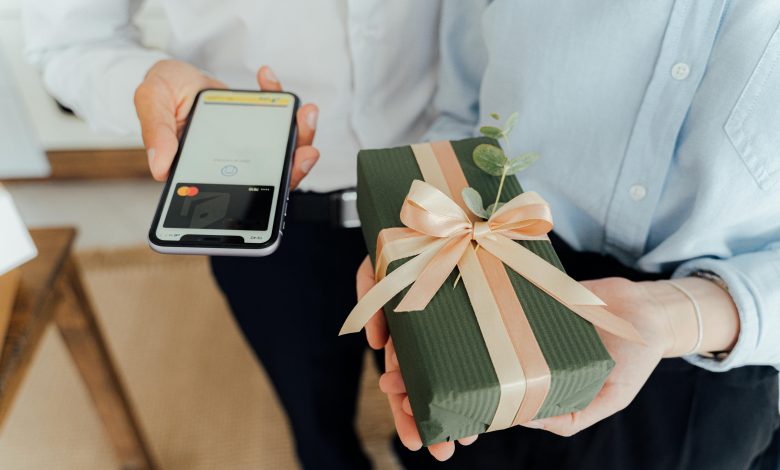
Mobile contactless payments work in a similar way. Smartphones and smartwatches use digital wallets that store encrypted versions of your card details. When you tap your device, the wallet generates a unique code for that specific purchase. Your actual card number is not shared with the merchant, adding an extra layer of security.
One key advantage of contactless payment is speed. Transactions typically take only a few seconds, making them ideal for busy environments like grocery stores, coffee shops, and public transportation. There is usually no need to enter a PIN for small purchases, which further speeds up the process.
Security is a common concern for beginners, but contactless payments are designed with strong protections. Each transaction uses dynamic data, meaning the information cannot be reused if intercepted. Many mobile wallets also require biometric verification, such as a fingerprint or face scan, before payment is approved.
There are limits to contactless payments, which vary by country and bank. These limits reduce risk and may require PIN entry or additional verification for higher-value purchases. Users can also disable contactless features through their bank if they prefer.
For businesses, contactless payments can improve customer experience and reduce checkout times. For consumers, they offer convenience and flexibility, especially when carrying cash is not practical. As more devices and terminals support this technology, adoption continues to grow.
Conclusion
Contactless payment is a modern, secure, and efficient way to complete everyday transactions. By using short-range wireless technology and encrypted data, it allows users to pay quickly with a simple tap. For beginners, understanding how it works helps build confidence in using a payment method that is rapidly becoming a standard part of daily life.