6 Healthiest Beans to Add to Your Meals for More Fiber and Protein
6 Healthiest Beans to Add to Your Meals for More Fiber and Protein
Introduction
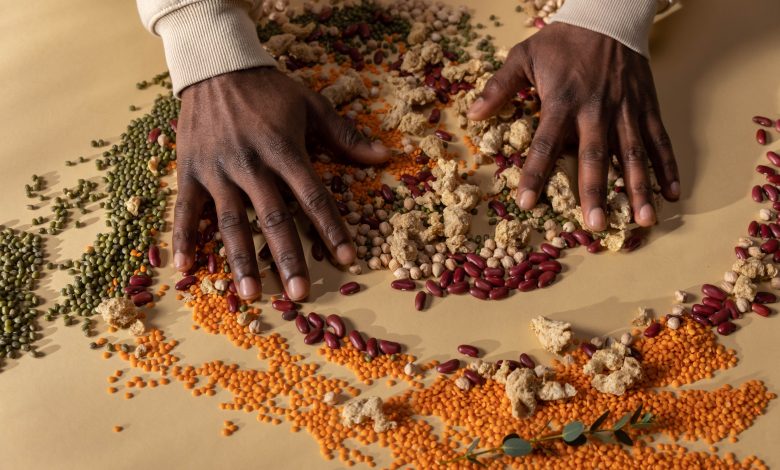
Beans are affordable, versatile, and packed with nutrients that support a balanced diet. They provide plant-based protein, soluble and insoluble fiber, complex carbohydrates, vitamins, minerals, and protective plant compounds. Adding beans to meals can improve fullness, support digestion, and make everyday dishes more satisfying. They can also help replace some meat in recipes, lowering cost while adding texture, color, and satisfying flavor to lunches and dinners daily. Here are six healthy varieties worth including regularly.
1. Black Beans
Black beans are rich in fiber, protein, folate, magnesium, and antioxidants. Their dark color comes from anthocyanins, natural compounds also found in berries. They work well in rice bowls, salads, soups, tacos, and homemade burgers. Pairing black beans with whole grains creates a filling meal with a broader range of amino acids.
2. Chickpeas
Chickpeas, also called garbanzo beans, are a popular source of protein and fiber. They also provide iron, folate, phosphorus, and manganese. Their mild flavor makes them easy to use in hummus, curries, roasted snacks, salads, and wraps. Mashed chickpeas can also replace mayonnaise-heavy fillings in sandwiches.
3. Lentils
Although technically pulses, lentils are commonly grouped with beans because of their similar nutrition and uses. They cook quickly and provide protein, fiber, iron, potassium, and folate. Brown and green lentils hold their shape in salads, while red lentils soften easily in soups and dals. They are especially useful for adding thickness and nutrition to meals.
4. Kidney Beans
Kidney beans contain generous amounts of fiber, protein, iron, potassium, and magnesium. Their firm texture suits chili, stews, grain bowls, and mixed bean salads. Proper cooking is important because raw or undercooked kidney beans contain compounds that can cause digestive illness. Canned beans are already cooked and should simply be rinsed before use.
5. Navy Beans
Navy beans are small, creamy beans with a mild flavor. They are particularly high in fiber and also provide protein, folate, manganese, and several B vitamins. They blend easily into soups, casseroles, baked bean dishes, and purees. Their soft texture makes them useful for thickening sauces without adding cream.
6. Pinto Beans
Pinto beans are widely used in Mexican and Southwestern cooking. They supply fiber, protein, folate, iron, and magnesium. Their creamy texture makes them ideal for burritos, soups, chili, rice dishes, and healthier refried beans. For a lighter preparation, mash them with spices and a small amount of olive oil instead of lard.
Easy Ways to Eat More Beans
Add beans gradually if you are not used to a high-fiber diet. Rinse canned beans to reduce excess sodium, and drink enough water to support digestion. Start by adding half a cup to salads, soups, pasta, or rice dishes. Using different varieties throughout the week keeps meals interesting and improves nutrient variety.
Conclusion
Black beans, chickpeas, lentils, kidney beans, navy beans, and pinto beans are excellent choices for increasing fiber and plant-based protein. They are budget-friendly, filling, and easy to include in many recipes. By adding beans regularly and preparing them properly, you can create nutritious meals that support digestion, energy, heart health, and long-lasting satisfaction.