8 Breakfast Foods That Don’t Spike Blood Sugar
8 Breakfast Foods That Don’t Spike Blood Sugar
A balanced breakfast can help you feel full, maintain energy, and avoid the rise and fall in blood sugar that follows sugary cereals, pastries, or sweetened drinks. No food is completely “spike-proof,” because responses vary, but meals rich in protein, fiber, and healthy fats generally produce a slower increase in glucose. Here are eight breakfast foods that can support more stable blood sugar.
1. Eggs
Eggs are low in carbohydrates and provide protein. They can be boiled, scrambled, poached, or made into an omelet with vegetables. Pairing eggs with spinach, mushrooms, tomatoes, or peppers adds fiber and nutrients without refined carbohydrates.
2. Plain Greek Yogurt
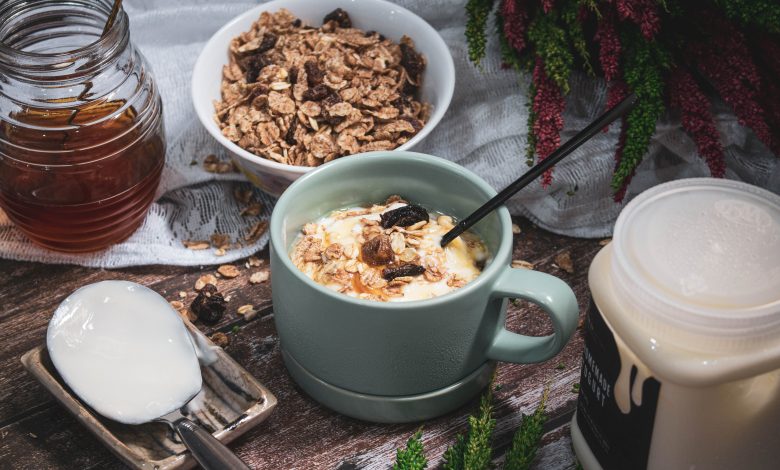
Unsweetened Greek yogurt contains more protein and fewer carbohydrates than many flavored yogurts. Choose plain variety and add cinnamon, chia seeds, nuts, or a small portion of berries. Avoid products with added sugar, syrups, or sweetened granola.
3. Steel-Cut Oats
Steel-cut oats digest more slowly than instant oats because they are less processed. Their soluble fiber may help slow glucose absorption and improve fullness. Keep portions moderate and add protein or fat through nuts, seeds, or unsweetened nut butter instead of brown sugar or honey.
4. Chia Seed Pudding
Chia seeds are rich in fiber and form a gel when soaked in liquid, which can slow digestion. Make chia pudding with unsweetened milk and refrigerate it overnight. Add vanilla, cinnamon, or a few berries for flavor without using large amounts of sweetener.
5. Avocado
Avocado provides fiber and monounsaturated fat, making it a satisfying breakfast addition. Serve it with eggs, cottage cheese, or a small slice of whole-grain bread. Healthy fats can help slow digestion and may reduce the glucose impact of the complete meal.
6. Cottage Cheese
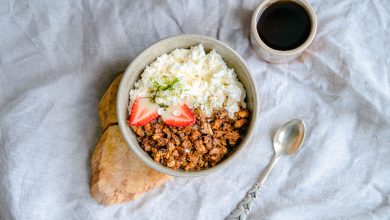
Cottage cheese is high in protein and relatively low in carbohydrates, although amounts vary by brand. Choose an unsweetened version and combine it with cucumber, tomatoes, seeds, or a small serving of fruit. Check the label for added sugars and sodium.
7. Nuts and Nut Butter
Almonds, walnuts, peanuts, and unsweetened nut butters offer protein, fiber, and healthy fat. Spread nut butter on whole-grain toast or add nuts to yogurt or oatmeal. Portion control matters because nuts are calorie-dense, and sweetened spreads can contain significant added sugar.
8. Vegetable Breakfast Bowl
A bowl containing leafy greens, roasted vegetables, eggs, tofu, beans, or avocado can be filling and blood-sugar friendly. Vegetables add fiber and volume, while protein helps maintain fullness. Limit sugary sauces and choose herbs, spices, lemon juice, or plain yogurt for flavor.
Build a Better Breakfast
The overall meal matters more than any single ingredient. Combining protein, fiber, and healthy fat usually creates a steadier response than eating carbohydrates alone. Portion size, sleep, stress, medication, and physical activity can also influence blood sugar. People with diabetes should monitor their individual response and follow advice from a qualified healthcare professional.
Conclusion
Breakfast does not need to be sugary or heavily processed. Eggs, Greek yogurt, oats, chia seeds, avocado, cottage cheese, nuts, and vegetables provide satisfying alternatives that may support steadier energy and glucose levels. Choose minimally processed foods, watch portions, and build meals around protein and fiber for a healthier start to the day.