What Happens to Your Body When You Eat Cottage Cheese Regularly
What Happens to Your Body When You Eat Cottage Cheese Regularly
Cottage cheese is a simple dairy food that has become popular among people who want more protein, better snacks, and healthier meal options. It is soft, creamy, mildly salty, and easy to add to fruits, salads, toast, eggs, or smoothies. When eaten regularly in the right amount, cottage cheese can support several parts of your health. However, like any food, its effect depends on your overall diet, portion size, and personal health needs.
Your Protein Intake Improves
One of the biggest benefits of cottage cheese is its high protein content. Protein helps build and repair muscles, supports healthy skin and hair, and keeps the body strong. People who exercise, walk daily, do strength training, or want to maintain muscle as they age may benefit from adding cottage cheese to their meals.
Cottage cheese is also a filling food. Because protein digests slowly, it may help you feel satisfied for longer. This can reduce unnecessary snacking and help control hunger between meals.
Your Muscles May Recover Better
If you eat cottage cheese after exercise or as part of dinner, it may help muscle recovery. Cottage cheese contains casein, a slow-digesting milk protein. This means it releases amino acids gradually into the body. Some people prefer eating it at night because it can provide steady protein while the body rests.
For people trying to gain lean muscle or prevent muscle loss, cottage cheese can be a useful addition when combined with regular activity and balanced meals.
Your Bones Get Nutritional Support
Cottage cheese contains important nutrients such as calcium and phosphorus, which help support strong bones and teeth. Some varieties may also contain vitamin D if fortified. Eating calcium-rich foods regularly is important for bone health, especially for children, older adults, and women.
However, cottage cheese should not be the only source of bone-supporting nutrients. A healthy diet should also include vegetables, nuts, seeds, pulses, sunlight exposure, and other calcium-rich foods.
It May Help With Weight Management
Cottage cheese can be helpful for weight management because it is high in protein and can be relatively low in calories, depending on the type you choose. Low-fat cottage cheese may be a good option for people who want a filling snack without too many calories.
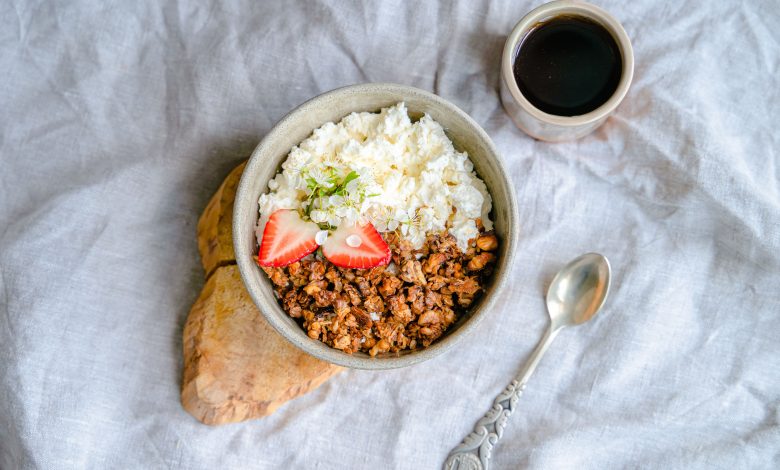
You can pair it with fruits, cucumber, black pepper, or whole-grain toast for a balanced snack. Avoid adding too much sugar, cream, or processed toppings, as this can reduce its health benefits.
Your Digestion May React Differently
Cottage cheese is dairy, so not everyone digests it comfortably. People with lactose intolerance may experience bloating, gas, stomach discomfort, or loose motions after eating it. Some brands have lower lactose than regular milk, but sensitivity varies from person to person.
If you are new to cottage cheese, start with a small portion and see how your body responds. People with dairy allergy should avoid it completely.
Watch the Sodium Content
One thing to check is sodium. Many cottage cheese products contain added salt. Eating high-sodium foods too often may not be suitable for people with high blood pressure, kidney problems, or those advised to reduce salt intake.
Choose low-sodium cottage cheese when possible, and balance it with fresh fruits, vegetables, and home-cooked meals.
Conclusion
Eating cottage cheese regularly can support protein intake, muscle recovery, bone health, and weight management. It is a versatile food that can fit into breakfast, snacks, or light meals. Still, it is important to choose the right type, watch sodium levels, and consider lactose tolerance. When eaten in moderation as part of a balanced diet, cottage cheese can be a healthy and satisfying addition to your routine.