From Joint Pain to Heart Health: 10 Conditions Turmeric May Help Support
From Joint Pain to Heart Health: 10 Conditions Turmeric May Help Support
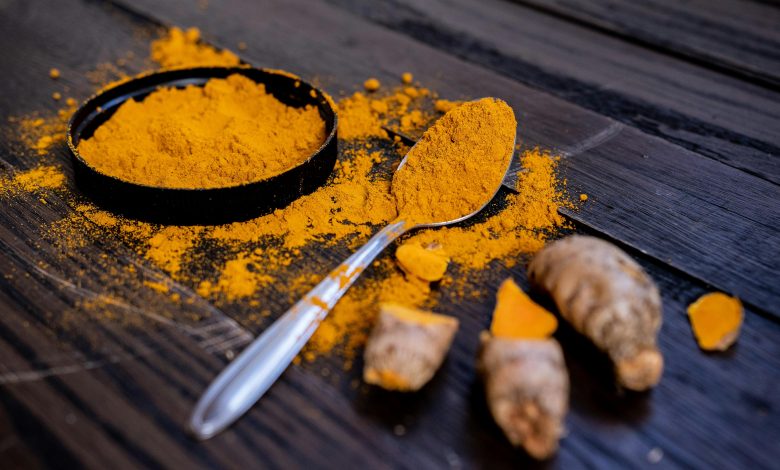
Turmeric has been used for centuries in traditional medicine and cooking, especially in countries like India. Known for its bright yellow color and earthy flavor, turmeric contains a powerful compound called curcumin. Curcumin is valued for its anti-inflammatory and antioxidant properties, which may help support overall health and wellness.
Today, turmeric is widely used as a natural supplement for various health concerns. While it is not a replacement for medical treatment, research suggests it may offer supportive benefits for several conditions when included as part of a healthy lifestyle.
1. Joint Pain and Arthritis
Turmeric is commonly used to help reduce joint discomfort caused by inflammation. People with arthritis often experience pain, stiffness, and swelling in their joints. Curcumin may help ease these symptoms by lowering inflammation in the body and supporting joint mobility.
2. Heart Health
Heart disease remains one of the leading health concerns worldwide. Turmeric may support heart health by improving blood circulation and helping reduce inflammation linked to cardiovascular problems. Some studies also suggest curcumin may support healthy cholesterol levels and blood vessel function.
3. Digestive Problems
Turmeric has long been used to support digestion. It may help reduce bloating, gas, and stomach discomfort by promoting healthy digestion and supporting the digestive tract. Some people also use turmeric to help manage symptoms of indigestion and mild digestive irritation.
4. Immune System Support
The antioxidant properties in turmeric may help strengthen the immune system. Antioxidants protect the body from damage caused by free radicals, which can weaken overall health. Adding turmeric to meals or beverages may help support the body’s natural defense system.
5. Skin Health
Turmeric is often included in skincare products because of its calming and anti-inflammatory effects. It may help support clearer skin by reducing redness and irritation. Some people also use turmeric face masks to improve skin appearance and maintain a healthy glow.
6. Brain Function
Research suggests curcumin may support brain health and cognitive function. Inflammation and oxidative stress can affect memory and mental clarity over time. Turmeric may help protect brain cells and support overall mental wellness as people age.
7. Blood Sugar Balance
Turmeric may help support healthy blood sugar levels when combined with proper diet and exercise. Some studies indicate curcumin may improve insulin function and reduce inflammation associated with metabolic health. However, individuals with diabetes should always consult a healthcare professional before using supplements regularly.
8. Respiratory Health
Turmeric may provide support for respiratory conditions linked to inflammation. It has traditionally been used in warm drinks to soothe throat irritation and support easier breathing. Its anti-inflammatory properties may help promote overall respiratory wellness.
9. Liver Support
The liver plays a major role in removing toxins from the body. Turmeric may help support liver function by protecting cells from oxidative stress and promoting healthy detoxification processes. This may contribute to better overall wellness and energy levels.
10. Mood and Emotional Wellness
Emerging research suggests curcumin may help support emotional health by influencing certain brain chemicals linked to mood. While turmeric is not a treatment for mental health conditions, it may contribute to overall emotional balance as part of a healthy routine.
Conclusion
Turmeric continues to gain attention as a natural ingredient that may support different areas of health, from joint comfort to heart wellness. Its active compound, curcumin, offers anti-inflammatory and antioxidant benefits that may help the body function more effectively.
Although turmeric can be a valuable addition to a balanced lifestyle, it should not replace professional medical advice or prescribed treatments. Including turmeric in meals, teas, or supplements may provide supportive health benefits when combined with healthy habits and regular medical care.