Spinach, Apples, and More Land on This Year’s Dirty Dozen List—Should You Worry?
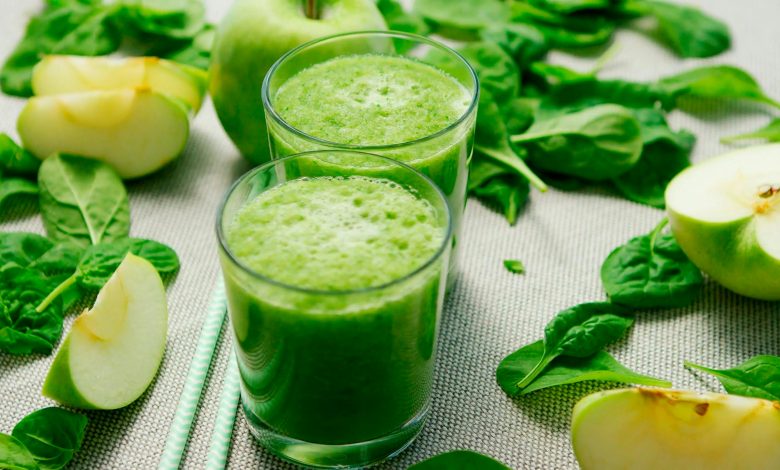
Spinach, Apples, and More Land on This Year’s Dirty Dozen List—Should You Worry?
Each year, shoppers hear about the “Dirty Dozen,” a list of fruits and vegetables said to carry the highest levels of pesticide residues. Spinach and apples often make repeat appearances, which can make anyone pause in the produce aisle. The question is simple but important: should this list actually change how you shop and eat?
What the Dirty Dozen Really Means
The Dirty Dozen is published annually by an environmental group that analyzes pesticide residue data from government testing. The list ranks produce based on how often pesticides are detected and in what quantities. Spinach, strawberries, apples, and grapes frequently top the chart.
It sounds alarming at first. But it’s worth understanding that the data comes from produce that has already been washed and prepared as consumers would typically do at home. In other words, even after cleaning, trace amounts of pesticides can still be detected using very sensitive testing methods.
Are These Levels Dangerous?
Here’s where things get more nuanced. The presence of pesticide residue does not automatically mean the food is unsafe. Regulatory bodies set strict safety limits for pesticide exposure, and the amounts found on produce are usually well below those limits.
Many scientists and food safety experts argue that the health benefits of eating fruits and vegetables far outweigh the potential risks from pesticide exposure at these levels. Avoiding produce altogether because of fear could actually do more harm than good, especially when these foods are essential for a balanced diet.
Organic vs Conventional: Does It Matter?
The Dirty Dozen often pushes people toward buying organic produce. Organic farming restricts the use of synthetic pesticides, which can reduce residue levels. If your budget allows, choosing organic versions of frequently listed items like spinach or apples may give you extra peace of mind.
That said, conventional produce is still considered safe to eat. Washing fruits and vegetables under running water, peeling when appropriate, and varying your diet can all help reduce exposure further. You don’t have to go fully organic to eat safely.
The Cost and Accessibility Factor
One practical concern is cost. Organic produce tends to be more expensive, and not everyone has easy access to it. If the Dirty Dozen list makes people feel like they must buy organic or avoid certain foods, it can create unnecessary stress.
A better approach is balance. If you can swap a few items for organic versions, that’s fine. If not, sticking with conventional produce is still a healthy choice. The key is not to let fear limit your intake of nutrient-rich foods.
A More Balanced Perspective
It helps to remember that pesticide exposure comes from many sources, not just fruits and vegetables. Focusing only on the Dirty Dozen can give a skewed picture of overall risk. Meanwhile, the benefits of produce, like fiber, vitamins, and antioxidants, are immediate and well proven.
Instead of zeroing in on a single list, think about your overall eating habits. A diet rich in a variety of fruits and vegetables, whether organic or conventional, supports long-term health in ways that far outweigh the relatively small risks discussed here.
Conclusion
The Dirty Dozen list can be a useful guide, but it shouldn’t be a source of anxiety. Spinach, apples, and other listed foods remain nutritious and safe for most people when handled properly. If buying organic fits your budget, it can be a good option, but it’s not a requirement for healthy eating. What matters most is consistency, variety, and making sure fruits and vegetables remain a regular part of your diet rather than something you avoid out of concern.