We Asked a Dietitian the Healthiest Ways To Cook Chicken
We Asked a Dietitian: The Healthiest Ways to Cook Chicken
Chicken is a staple in many diets for a reason. It’s affordable, versatile, and packed with high-quality protein. But how you cook it can make a big difference in how healthy it really is. We spoke with a dietitian to break down the best ways to prepare chicken without adding unnecessary fat or losing its nutritional value.
Why Cooking Method Matters
Chicken itself is naturally lean, especially cuts like breast meat. But certain cooking methods can quickly turn a healthy protein into something much heavier. Deep frying, for example, adds extra calories and unhealthy fats. On the other hand, gentler cooking methods help retain nutrients while keeping the calorie count in check.
A dietitian’s advice is simple: focus on methods that use minimal added fat and preserve the natural flavor of the chicken.
Grilling for Flavor Without Extra Fat
Grilling is one of the healthiest ways to cook chicken. It allows excess fat to drip away while giving the meat a smoky, satisfying flavor. You don’t need heavy sauces or marinades loaded with sugar. A simple mix of olive oil, lemon juice, garlic, and herbs works well.
Another benefit is that grilling cooks chicken quickly, helping retain its protein content. Just be careful not to overcook it, as that can dry it out and reduce its appeal.
Baking and Roasting for Convenience
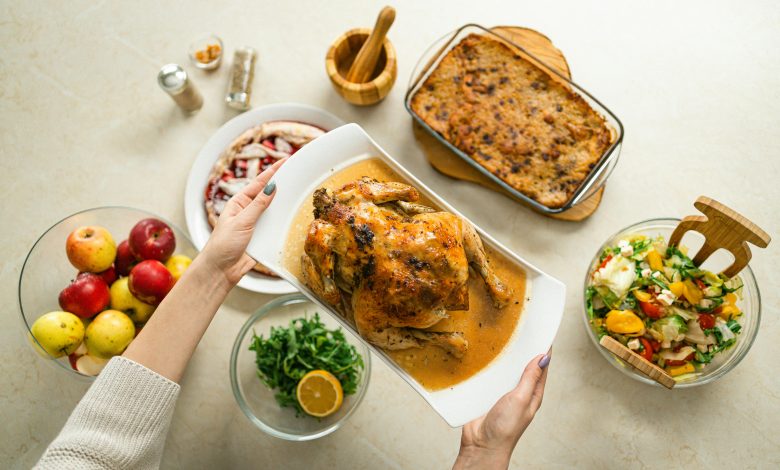
Baking or roasting chicken in the oven is another solid option. It’s easy, requires little supervision, and doesn’t need much oil. You can season the chicken with spices, herbs, and a light brush of oil to keep it moist.
Using vegetables like carrots, potatoes, and onions in the same tray can create a balanced meal with minimal effort. The key is to avoid heavy creams or butter-based sauces that can add unnecessary calories.
Poaching for a Lean Option
Poaching might not sound exciting, but it’s one of the healthiest cooking methods available. It involves gently simmering chicken in water or broth, which keeps it tender without adding fat.
This method is ideal for salads, sandwiches, or meal prep. You can add flavor by including herbs, garlic, or spices in the liquid. The result is clean, soft chicken that works well in many dishes.
Stir-Frying with Smart Choices
Stir-frying can be healthy if done right. It uses high heat and cooks food quickly, which helps preserve nutrients. The trick is to use a small amount of healthy oil, such as olive or sesame oil, and load the pan with vegetables.
Avoid heavy sauces that are high in sugar and sodium. Instead, use simple ingredients like soy sauce, ginger, and garlic to keep flavors bold but balanced.
What to Avoid
The dietitian warns against frequent consumption of fried chicken or dishes coated in thick batter. These methods significantly increase calorie content and often include unhealthy fats.
Also, be cautious with processed chicken products like nuggets or patties. They often contain added preservatives, sodium, and fillers that reduce their nutritional value.
Conclusion
Cooking chicken in a healthy way doesn’t mean sacrificing taste. Methods like grilling, baking, poaching, and mindful stir-frying allow you to enjoy flavorful meals while keeping nutrition in focus. Small changes in how you prepare your food can have a lasting impact on your overall health. By choosing smarter cooking techniques, you make chicken not just a convenient option, but a truly wholesome one.